Is PLA considered a single use plastic?
Leave a message
Recently, there has been a lot of discussion about plastic waste and the impact it has on the environment. Consumers are becoming more aware of the negative effects of single-use plastics, and many are starting to look for alternatives. One of the materials that has been getting a lot of attention lately is PLA.
But what is PLA, and is it considered a single-use plastic?
PLA, or polylactic acid, is a type of biodegradable plastic that is made from renewable resources such as corn starch or sugarcane. Unlike traditional plastics, which can take hundreds of years to decompose, PLA can break down in a matter of months under the right conditions.
While some might assume that PLA is a single-use plastic, this is not necessarily the case. While some PLA products, such as cutlery or coffee cups, are designed to be used once and then disposed of, there are many other PLA products that can be reused or recycled.
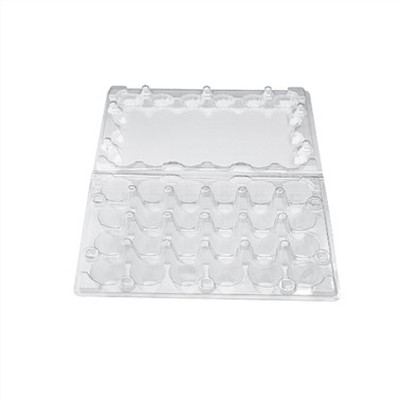
One example of this is PLA packaging. Many companies are starting to use PLA for food packaging as an alternative to traditional plastics. While this packaging might not be reusable, it can often be recycled, just like regular plastic. This means that it can still be used multiple times before it eventually breaks down.
Guangdong Zhongcai Industry and Trade Co., Ltd. is such a production of PLA disposable food packaging company. We have more than 10 years of production experience, our products are: disposable lunch boxes, cups, knives, forks, spoons, food trays, etc. We also accept customized products, if you need PLA disposable food packaging, please feel free to contact us.
However, even if a product is designed to be single-use, it's important to remember that PLA is still much better for the environment than traditional plastics. Because it breaks down much faster, it is less likely to end up in the ocean or other natural habitats where it can harm wildlife. And because it is made from renewable resources, it has a much smaller carbon footprint than traditional plastics, which are made from petroleum.
Of course, this doesn't mean that we should start using PLA indiscriminately. As with any material, it's important to consider the entire lifecycle of a product, from production to disposal. While PLA might be a better option in some cases, it's not a perfect solution.
Overall, it's clear that PLA has the potential to be a game-changer in the fight against plastic waste. While it might not be perfect, it's a step in the right direction, and one that is worth exploring further. By continuing to develop more sustainable alternatives to traditional plastics, we can help to create a cleaner, healthier planet for generations to come.